
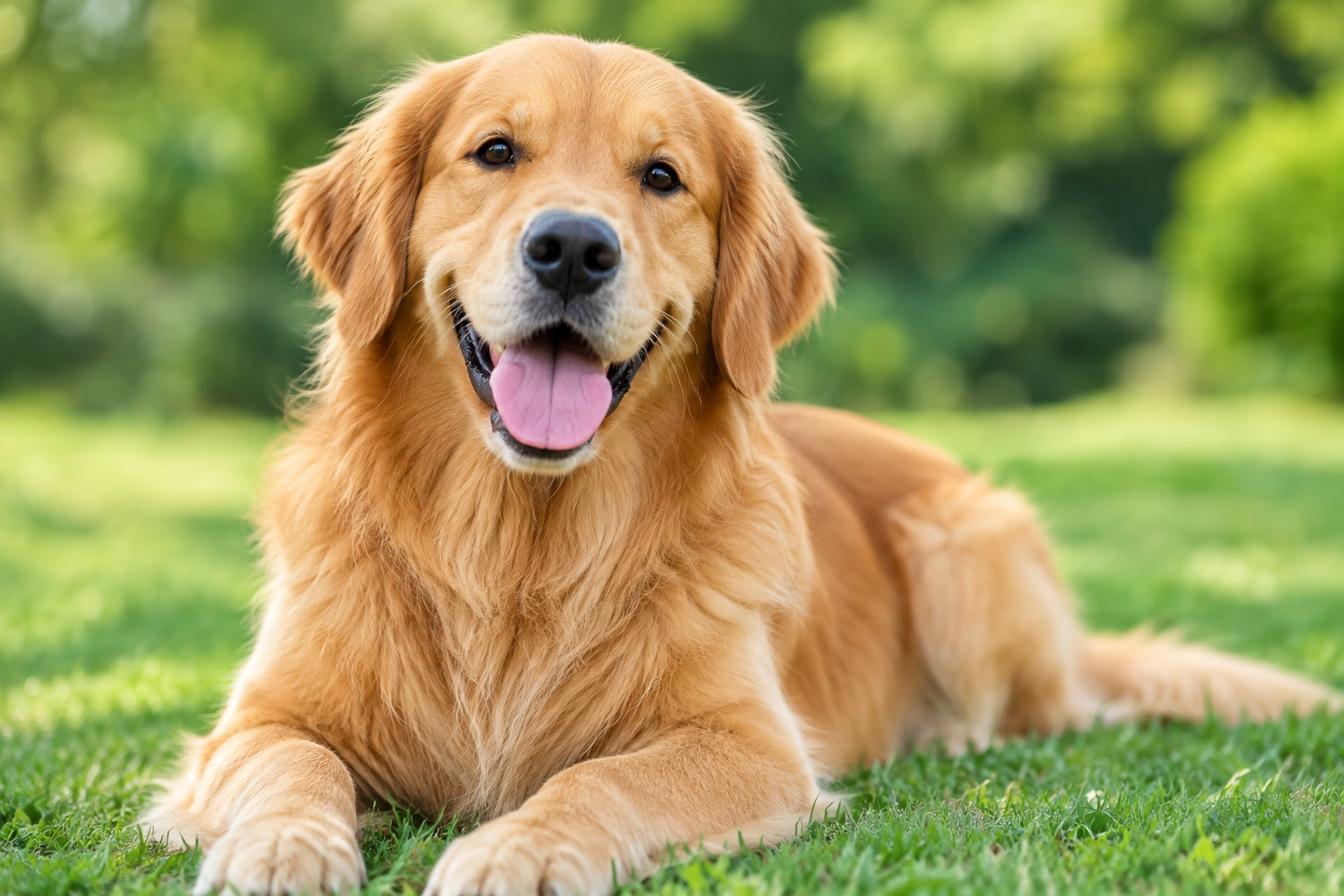
Dogs are among the most beloved animals in the world. Known for their loyalty, intelligence, playful personalities, and loving nature, dogs have earned a special place in the hearts of millions of people. They are often called humans’ best friends because of the strong emotional connections they build with their owners. From small companion dogs that enjoy relaxing indoors to large working dogs that protect homes and assist people, dogs come in many shapes, sizes, and personalities.
Dogs have been part of human life for thousands of years. Today, they serve as family companions, service animals, rescue workers, therapy animals, and protectors. Whether you already own a dog or are thinking about welcoming one into your home, understanding their behavior, health, nutrition, and care needs can help you build a happy and lasting relationship.
In this article, we will explore the history of dogs, popular breeds, their behavior, feeding requirements, grooming, training, health, and the many benefits of having a dog.
1. The History of Dogs
Dogs are domesticated descendants of ancient wolf populations. Although researchers continue to investigate exactly when and where domestication began, evidence suggests that the relationship between humans and dogs dates back at least 15,000 years and possibly much earlier.
Early humans may have benefited from dogs’ ability to detect danger, track animals, and help with hunting. Over time, dogs developed close relationships with people and adapted to different environments and tasks.
As human societies changed, dogs began performing specialized jobs. Some guarded homes and livestock, while others helped shepherds manage animals or assisted hunters in finding and retrieving game. In many communities, dogs also became valued companions.
Today, selective breeding has produced hundreds of recognized dog breeds. Each breed has distinctive characteristics, including size, coat type, energy level, and working abilities. However, every dog is an individual, and its personality depends on genetics, socialization, training, and life experiences.
2. Popular Dog Breeds


Dogs come in an extraordinary variety of breeds. Some are energetic and adventurous, while others prefer quiet companionship. Choosing a dog should involve considering your living space, daily routine, experience, and ability to provide exercise and care.
Golden Retriever
Golden Retrievers are friendly, intelligent, and affectionate dogs. They often enjoy playing fetch, swimming, walking, and spending time with family members. Their trainability makes them popular as family pets, assistance dogs, and therapy animals.
They generally need regular exercise, brushing, and opportunities for mental stimulation.
German Shepherd
German Shepherds are known for their intelligence, courage, loyalty, and working abilities. They commonly work in search and rescue, law enforcement, security, and assistance roles.
These dogs benefit from consistent training, early socialization, regular physical activity, and mentally challenging games.
French Bulldog
French Bulldogs are compact dogs with distinctive bat-like ears and affectionate personalities. They can adapt well to apartment living when their exercise and companionship needs are met.
Because of their short muzzles, they may have difficulty breathing and regulating body temperature, especially during hot weather. Owners should seek veterinary advice and avoid strenuous exercise in the heat.
Siberian Husky
Siberian Huskies are energetic dogs originally developed for pulling sleds over long distances. They often have thick coats, striking eyes, and strong social instincts.
They need substantial exercise, secure outdoor spaces, and consistent training. Their thick coats also require regular grooming, especially during seasonal shedding.
Yorkshire Terrier
Yorkshire Terriers are small, lively dogs that often form strong bonds with their families. Their compact size makes them suitable for many homes, but they still need exercise, training, dental care, and regular grooming.
Before choosing any breed, research its common health concerns, expected size, lifespan, and activity requirements. Mixed-breed dogs can also make wonderful companions.
3. Understanding Dog Behavior
Understanding dog behavior helps owners communicate more effectively with their pets. Dogs use body language, sounds, facial expressions, and movement to express their feelings.
A relaxed dog may have loose body movements, a soft facial expression, and a natural tail position. A playful dog might bow with its front legs lowered and hindquarters raised, inviting another dog or person to play.
Barking can communicate excitement, fear, frustration, alertness, or a desire for attention. Whining may indicate discomfort, anxiety, excitement, or a need to go outside. Growling is an important warning signal and should not automatically be punished.
A dog that feels frightened may turn away, lick its lips, yawn, tuck its tail, or try to move away from a situation. Giving the dog space and identifying the source of discomfort can help prevent escalation.
Every dog has a unique temperament. Positive experiences, gentle handling, appropriate socialization, and reward-based training help dogs develop confidence and learn how to live safely with people and other animals.
4. Proper Nutrition for Dogs
Nutrition is one of the most important parts of responsible dog ownership. A balanced diet supports healthy growth, strong muscles, good digestion, healthy skin, and a functioning immune system.
Dogs need appropriate amounts of protein, fats, carbohydrates, vitamins, minerals, and water. Their nutritional requirements vary according to age, size, activity level, reproductive status, and health.
Choosing the Right Dog Food
Commercial dog foods labeled as complete and balanced for the appropriate life stage can provide essential nutrients. Puppies usually need food formulated for growth, while adult dogs generally benefit from an appropriate adult maintenance diet. Senior dogs may need adjustments based on their activity and health.
When choosing food, consider:
- Your dog’s age, size, and activity level.
- The nutritional adequacy statement and feeding guidelines.
- Ingredient quality and the manufacturer’s nutritional expertise.
- Any allergies, digestive problems, or veterinary recommendations.
Fresh, clean drinking water should always be available.
Foods Dogs Should Avoid
Some foods that people enjoy can be dangerous to dogs. These include chocolate, grapes, raisins, onions, garlic, xylitol-containing products, alcohol, and caffeinated drinks. Cooked bones can splinter, while fatty foods may cause digestive problems in some dogs.
If your dog eats a potentially toxic substance, contact a veterinarian or animal poison service promptly. Do not wait for symptoms to appear.
Treats can be useful during training, but they should be given in moderation and should not replace a balanced diet.
5. Grooming and Hygiene


4
Regular grooming keeps dogs comfortable and helps owners identify potential health problems early. The right grooming routine depends on the dog’s coat, breed, lifestyle, and individual needs.
Brushing
Short-haired dogs may need occasional brushing, while long-haired or double-coated dogs often require more frequent grooming. Brushing helps remove loose hair, reduce tangles, and distribute natural oils.
Bathing
Dogs generally need baths when they become dirty or develop an odor. Use a dog-specific shampoo rather than human shampoo, which may irritate their skin. Avoid bathing too frequently unless recommended by a veterinarian.
Nail Trimming
Overgrown nails can make walking uncomfortable and may affect movement. Trim nails carefully, avoiding the sensitive blood vessel inside each nail. If you are unsure how to do this safely, ask a veterinarian or professional groomer.
Dental Care
Dental health is essential to a dog’s overall well-being. Regular toothbrushing with dog-safe toothpaste helps reduce plaque and tartar. Never use human toothpaste, because some products contain ingredients that are unsafe for dogs.
Ear and Eye Care
Check your dog’s ears and eyes regularly for unusual discharge, redness, swelling, or odor. Avoid putting cleaning products deep into the ears unless instructed by a veterinarian.
6. Exercise and Mental Stimulation
Dogs need regular activity to maintain physical fitness, manage their weight, and support emotional well-being. However, the amount and type of exercise required vary widely.
Some dogs enjoy long walks and outdoor adventures, while others prefer shorter walks and indoor games. Puppies, older dogs, and dogs with medical conditions may need modified routines.
Useful activities include:
- Daily walks appropriate to your dog’s fitness.
- Fetch and other supervised games.
- Sniffing walks that allow dogs to explore their surroundings.
- Puzzle feeders and food-search games.
- Short training sessions that teach useful skills.
- Safe play with compatible dogs.
Mental stimulation is just as important as physical exercise. Teaching a dog new commands, hiding treats for it to find, or offering suitable puzzle toys can help prevent boredom.
In hot weather, exercise during cooler hours, provide shade and water, and watch for signs of overheating. Dogs with short muzzles, thick coats, or certain medical conditions may be especially vulnerable.
7. Training Your Dog
Training helps dogs become safer, more confident, and easier to manage. It also strengthens communication between dogs and their owners.
Positive reinforcement is a widely recommended approach. It involves rewarding desirable behavior with treats, praise, toys, or play. Rewards help dogs understand which actions are worth repeating.
Begin with basic commands such as:
- Sit: Helps your dog learn calm behavior.
- Stay: Encourages your dog to remain in place until released.
- Come: Supports recall and safety.
- Leave it: Teaches your dog to move away from potentially dangerous objects.
- Loose-leash walking: Makes walks more comfortable.
Keep training sessions short, consistent, and enjoyable. Avoid hitting, frightening, or using harsh punishment on your dog, as these methods can damage trust and increase fear.
Puppies benefit from gradual socialization with different people, sounds, surfaces, and environments. Introduce new experiences safely and at a pace the puppy can handle.
If a dog shows persistent aggression, extreme fear, or serious behavior problems, seek assistance from a veterinarian or a qualified, reward-based behavior professional.
8. Common Dog Health Problems
Dogs can experience a wide range of health conditions throughout their lives. Regular veterinary examinations help identify concerns early and provide preventive care.
Common health problems include:
- Skin allergies: May cause itching, redness, or recurring ear problems.
- Dental disease: Can cause bad breath, inflamed gums, and difficulty eating.
- Obesity: Increases the risk of joint problems and other chronic conditions.
- Ear infections: May cause head shaking, scratching, or unpleasant odors.
- Parasites: Fleas, ticks, and intestinal worms can affect health.
- Joint problems: Arthritis and other conditions can make movement painful.
Vaccinations, parasite prevention, dental care, and routine checkups are important parts of maintaining a healthy dog. Your veterinarian can recommend a preventive schedule based on your dog’s age, lifestyle, and local disease risks.
Seek urgent veterinary care if your dog has difficulty breathing, collapses, experiences seizures, develops a swollen abdomen with repeated unsuccessful retching, or shows signs of severe poisoning.
Never give human medication to a dog without veterinary guidance. Some common medicines can be highly toxic to animals.
9. The Emotional Benefits of Having a Dog
Dogs can bring companionship, happiness, and a sense of purpose into people’s lives. Their affectionate behavior and enthusiasm for everyday activities often make them cherished family members.
Walking a dog may encourage owners to spend more time outdoors and maintain a regular routine. Playing with a dog can provide enjoyment, while caring for one can teach children responsibility when adults supervise appropriately.
Dogs are also used in therapy and assistance settings. Trained assistance dogs can help people with disabilities perform everyday tasks, while therapy dogs may participate in structured programs in hospitals, schools, and care facilities.
However, dogs are not a substitute for professional medical or mental health care. The benefits of companionship vary from person to person, and responsible ownership requires time, financial resources, and commitment.
10. How to Choose the Right Dog
Choosing a dog is an important decision that should be based on compatibility rather than appearance alone.
First, evaluate your daily schedule. Dogs need feeding, exercise, training, companionship, grooming, and veterinary care. Consider whether you can meet these needs consistently.
Next, think about your home environment. Some dogs adapt well to apartments, while others need more space and activity. Even a large home does not replace daily exercise and interaction.
Consider adoption from a reputable animal shelter or rescue organization. Staff may be able to explain a dog’s temperament, medical history, and care requirements. If you purchase a puppy, choose a responsible breeder who prioritizes health, temperament, and appropriate living conditions.
Before bringing a dog home, prepare food and water bowls, a comfortable bed, a collar or harness, a leash, identification, suitable toys, and a plan for veterinary care.
Remember that adopting or purchasing a dog is a long-term commitment. Many dogs live around 10–15 years, although lifespan varies by size, breed, and individual health.
11. Responsible Dog Ownership
Responsible dog ownership involves more than providing food and shelter. Dogs depend on people to keep them safe, healthy, and comfortable throughout their lives.
Owners should provide fresh water, balanced food, daily activity, preventive veterinary care, and a secure living environment. Dogs should have opportunities to rest and should not be left exposed to dangerous weather or confined in unsafe conditions.
Use a leash where required, clean up after your dog, and teach it to interact appropriately with people and other animals. Ensure your dog has identification and consider microchipping where available.
Never abandon a pet when its care becomes difficult. If you cannot continue caring for a dog, contact a reputable shelter, rescue organization, or veterinarian for responsible rehoming guidance.
Most importantly, show patience and kindness. Dogs learn at different speeds, and their needs can change as they age. Consistent care and positive interaction help build a trusting relationship.
Conclusion
Dogs are remarkable animals that offer loyalty, companionship, intelligence, and affection. From playful puppies to calm senior companions, they can become important members of a household and enrich everyday life in countless ways.
Understanding dog breeds, behavior, nutrition, grooming, exercise, training, and health allows owners to make informed decisions and provide better care. Every dog deserves a safe home, a balanced diet, appropriate medical attention, and opportunities to play, explore, and feel secure.
Whether you are considering adopting your first dog or have shared your life with dogs for years, remember that responsible ownership is built on patience, consistency, and compassion. By meeting your dog’s physical and emotional needs, you can help it enjoy a healthier, happier life and develop a lasting bond based on trust and love.