
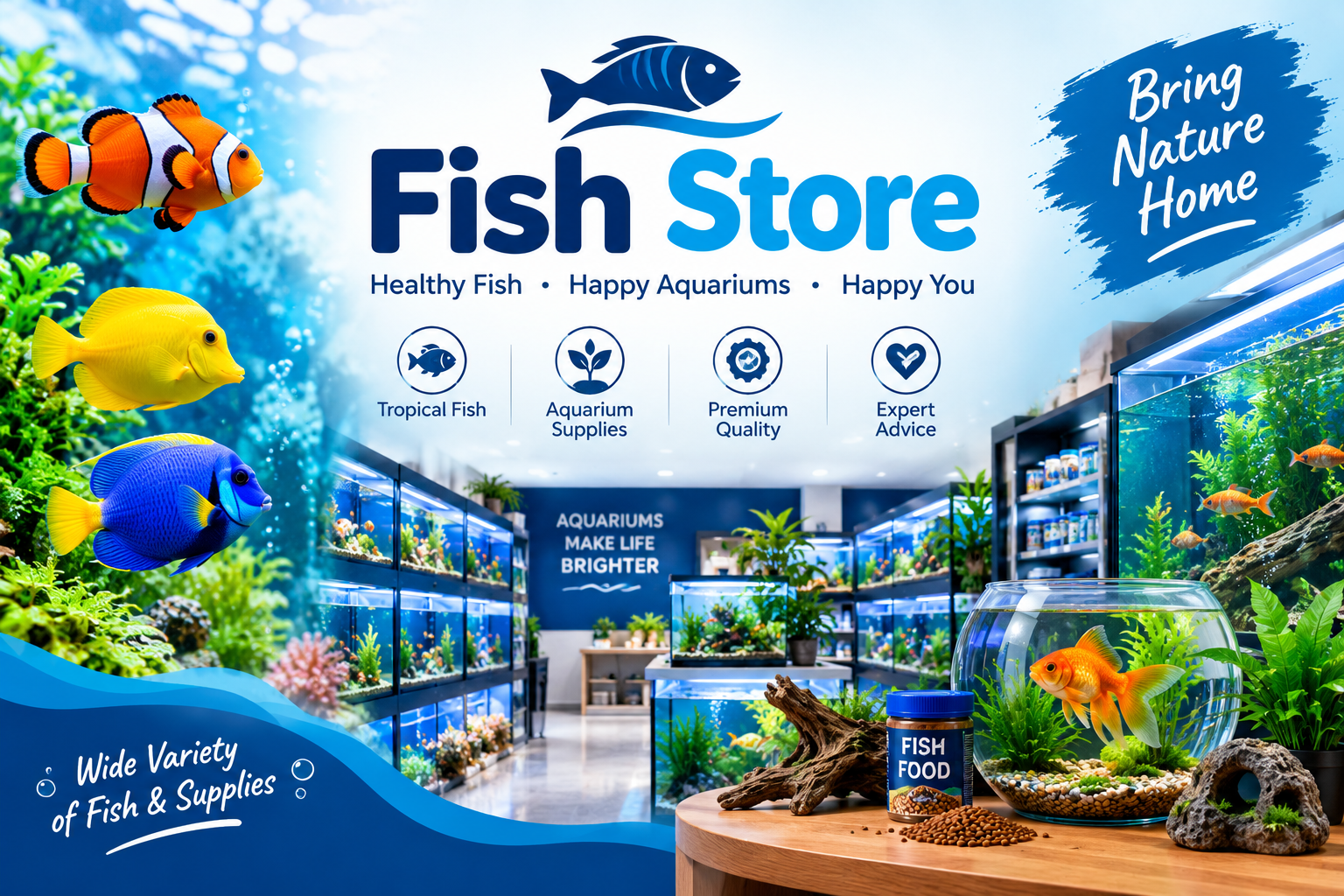
Searching for a fish store near me is one of the easiest ways to find fresh seafood, beautiful aquarium fish, and essential fish-keeping supplies in your local area. Whether you want to prepare a delicious seafood meal or create a peaceful aquarium at home, choosing the right fish store can make your experience more convenient and enjoyable.
Local fish stores offer different products and services depending on their specialty. Some sell fresh fish for cooking, while others focus on tropical fish, aquariums, fish food, filters, and accessories. Understanding the difference can help you find the right shop for your needs.
In this guide, we will explore how to find a reliable fish store near you, what to look for before buying, how to choose quality fish, and how to get the best value for your money.
1. What Does a Fish Store Near Me Offer?
A local fish store can provide a wide range of products for seafood lovers, aquarium enthusiasts, and people who enjoy keeping fish as pets.
Before visiting a shop, identify what you need because not every fish store sells the same products.
Fresh Fish and Seafood Shops
Fresh fish shops primarily sell fish intended for cooking. Depending on the region and season, you may find freshwater and saltwater varieties, including rohu, catla, tilapia, trout, salmon, and other locally available species.
These stores may also offer cleaning, cutting, scaling, and packaging services. Some provide home delivery, making it easier to purchase seafood without visiting the market.
When buying fish for cooking, look for a clean shop with proper refrigeration and safe food-handling practices.
Aquarium Fish Stores
Aquarium stores specialize in live fish and the equipment needed to maintain a healthy aquatic environment.
Common aquarium fish include goldfish, guppies, mollies, bettas, neon tetras, and angelfish. Availability varies by store and location.
Many aquarium shops also sell fish tanks, aquarium plants, decorative ornaments, water conditioners, filters, heaters, and fish food.
These stores are especially helpful for beginners who need advice about selecting suitable fish and creating a balanced aquarium.
Specialty Tropical Fish Shops
Tropical fish shops focus on colorful species that require specific water temperatures and conditions.
Some may offer freshwater fish, while others specialize in marine aquariums, corals, or more advanced aquatic setups.
If you want rare or expensive fish, contact the shop before visiting to confirm availability and ask about the fish’s care requirements.
2. How to Find the Best Fish Store Near Me
Finding a nearby fish store is simple when you use local search tools and compare several options.
Search on Google
Start by searching for phrases such as:
- Fish store near me
- Fresh fish shop near me
- Aquarium fish store near me
- Tropical fish shop near me
- Fish market near me
- Aquarium supplies near me
- Live fish for sale near me
- Fish food and accessories near me
These searches can help you discover businesses that match your requirements.
For better results, include your city or neighborhood in the search. For example, someone looking for aquarium supplies in Multan could search for “aquarium fish shop in Multan.”
Use Google Maps
Google Maps can help you compare nearby businesses, view directions, and check available contact information.
Before choosing a store, review its location, recent customer feedback, photographs, and listed opening hours.
Pay attention to comments about product quality, customer service, cleanliness, pricing, and the availability of particular fish.
Remember that reviews are individual experiences rather than guarantees of quality.
Ask Local Customers
Recommendations from experienced aquarium owners, seafood buyers, and local hobby groups can also be valuable.
People who regularly visit fish stores may know which shops offer good variety, fair prices, and helpful advice.
If you are buying live fish, ask other aquarium enthusiasts about the shop’s fish health, quarantine practices, and customer support.
3. How to Choose a Good Fresh Fish Store
If you are searching for a fish store to purchase seafood, freshness and food safety should be your top priorities.
Check the Smell
Fresh fish should generally have a mild, clean smell rather than a strong sour, rancid, or ammonia-like odor.
If the shop or seafood display has an unpleasant smell, consider buying elsewhere.
Inspect the Display
Fish should be kept appropriately chilled. Refrigerated displays or fish maintained on sufficient clean ice can help preserve quality.
Avoid seafood left at room temperature for extended periods or displayed in visibly dirty conditions.
Examine Whole Fish
When buying whole fish, look for clear, naturally bright eyes, firm flesh, and intact skin. Gills may be bright red or pink, depending on the species and handling.
No single visual sign proves that fish is safe, so consider the overall storage conditions and the seller’s handling practices.
Ask About Freshness
A trustworthy seller should be willing to explain when the fish arrived, how it was stored, and whether it was previously frozen.
Properly frozen fish can also be a good choice. Freezing does not automatically mean that a product is inferior.
Compare Prices
Prices can vary depending on species, size, season, availability, and whether the fish is whole or prepared.
Compare prices by weight and ask whether cleaning or cutting charges are included. Avoid choosing a seller based on low prices alone.
4. How to Choose Healthy Aquarium Fish
Buying live aquarium fish requires a different approach from buying seafood.
The best aquarium store should provide healthy animals, clean tanks, and accurate information about fish care.
Observe Fish Behavior
Healthy-looking fish are generally alert and responsive. Depending on the species, they should swim normally and show no obvious signs of distress.
Avoid fish with visible wounds, severely damaged fins, unusual white patches, or labored breathing.
Also observe the other fish in the same tank. If several appear sick, stressed, or inactive, ask the seller about the situation before purchasing.
Check Tank Conditions
Look for reasonably clean tanks, functioning filtration, and appropriate equipment for the species being sold.
Clear water alone does not guarantee healthy fish. Good stores should understand water quality, temperature, stocking levels, and disease prevention.
Ask About Compatibility
Not every fish can live peacefully with every other species.
For example, some fish may eat smaller tank mates, while others require particular water temperatures or water chemistry.
Explain your aquarium’s size, current inhabitants, and equipment before purchasing new fish. A knowledgeable seller should help you identify compatible options.
Ask About Quarantine
Quarantine means keeping newly acquired fish separate from established aquarium inhabitants for an appropriate period.
This practice can help reduce the risk of introducing diseases, although it does not eliminate every risk.
Ask whether the shop separates sick fish and how it manages newly arrived stock.
5. Popular Fish You May Find at Local Stores
The varieties available depend on the store, climate, region, and season.
Freshwater Aquarium Fish
Freshwater fish are popular because many species can be maintained in home aquariums with suitable equipment and care.
Examples include:
- Guppies: Small, colorful fish that are often recommended for beginners when their needs are met.
- Betta fish: Attractive fish that require appropriate space, warm water, and suitable filtration.
- Goldfish: Popular ornamental fish that need more space and filtration than many beginners expect.
- Mollies: Active fish that generally benefit from suitable water conditions and adequate swimming space.
- Neon tetras: Small schooling fish that are usually best kept in groups in a properly established aquarium.
- Angelfish: Elegant fish that require appropriate tank dimensions and compatible tank mates.
Before purchasing any species, research its adult size, social behavior, diet, and environmental requirements.
Fish for Cooking
Seafood shops may carry locally popular edible fish such as rohu, catla, tilapia, pomfret, and other seasonal varieties.
Availability depends on the region and supply chain.
Choose species according to your recipe, budget, preferred texture, and the number of people you are serving.
6. Essential Aquarium Supplies to Buy
If your goal is to establish a home aquarium, purchasing the right equipment is just as important as selecting attractive fish.
Aquarium Tank
Choose a tank that provides enough room for the adult size and number of fish you plan to keep. Larger water volumes are often more stable than very small tanks.
Water Filter
A suitable filter helps remove waste and supports beneficial bacteria that process toxic fish waste.
Select a filter based on tank size, stocking levels, and the needs of the fish.
Heater and Thermometer
Tropical fish often require stable warm water. A heater and thermometer can help maintain the appropriate temperature.
Not every species needs heated water, so choose equipment based on your fish rather than buying it automatically.
Fish Food
Different species have different dietary requirements. Some eat flakes or pellets, while others may need frozen foods, plant-based foods, or specialized diets.
Ask the store which food is appropriate for your fish and how frequently it should be offered.
Water Conditioner and Test Kit
Water conditioners can help make tap water suitable for aquarium use when used according to their instructions.
Water test kits can help monitor important parameters, including ammonia, nitrite, nitrate, and pH.
A properly cycled aquarium is essential before adding a normal fish population.
7. How Much Does It Cost to Visit a Fish Store?
The cost of visiting a fish store depends on what you intend to buy.
Fresh seafood is commonly priced by weight, while aquarium fish are generally priced individually. Tanks, filters, heaters, and other equipment have separate costs.
A basic aquarium setup may require an initial investment in the tank, filtration, substrate, water treatment, and testing equipment. Ongoing expenses can include food, electricity, replacement supplies, and maintenance.
Before making a purchase, ask for the total cost rather than considering only the price of the fish.
If you are starting a new aquarium, create a budget that includes both setup costs and long-term care. This approach helps prevent unexpected expenses and encourages responsible fish ownership.
8. Benefits of Choosing a Local Fish Store
Shopping locally offers several practical advantages.
Convenience: A nearby store can save travel time and make repeat purchases easier.
Personal advice: Experienced staff may help you select fish, food, and equipment suited to your needs.
Product inspection: You can inspect live fish and aquarium equipment before buying.
Local availability: A nearby seafood shop may offer regional fish varieties that are difficult to find elsewhere.
After-sales support: Some aquarium stores provide guidance on water quality, feeding, maintenance, and common fish-keeping problems.
However, quality differs from one business to another. Compare stores rather than assuming that the closest shop is automatically the best.
9. Common Mistakes to Avoid When Buying Fish
Whether you are purchasing seafood or live aquarium fish, a few simple precautions can improve your experience.
First, avoid buying fish without checking their condition and storage environment.
Second, do not purchase aquarium fish simply because they look attractive. Research their long-term needs before bringing them home.
Third, avoid overcrowding an aquarium. Too many fish can contribute to poor water quality, stress, and disease.
Fourth, do not mix incompatible species without researching their behavior and environmental requirements.
Finally, never transport fresh seafood without keeping it appropriately cold. Refrigerate it promptly after returning home and follow established food-safety guidance.
For live fish, use appropriate transport containers and avoid unnecessary delays between purchase and acclimation.
10. Tips for Getting the Best Experience at a Fish Store Near Me
A little preparation can make your visit easier.
- Decide whether you need seafood, live aquarium fish, or aquarium supplies.
- Check opening hours and contact the store to confirm availability.
- Compare prices at more than one shop.
- Read recent reviews and examine customer photographs.
- Ask questions about freshness, storage, fish health, or product warranties.
- Bring your aquarium measurements and water-test results when shopping for live fish.
- Keep seafood cold during transport and acclimate live fish carefully according to appropriate guidance.
These simple steps can help you choose products more confidently and avoid unnecessary purchases.
Conclusion
Finding the right fish store near me is easier when you know what you need and understand how to evaluate local businesses. Whether you want fresh fish for dinner, colorful aquarium fish for your home, or essential aquarium equipment, a reliable shop should offer suitable products, clean conditions, fair pricing, and helpful information.
Use local searches, Google Maps, customer reviews, and personal recommendations to compare your options. Inspect seafood carefully, choose healthy-looking aquarium fish, and research the requirements of every species before buying.
Most importantly, select a store that prioritizes quality, responsible animal care, and customer satisfaction. With the right preparation, you can find a fish store that meets your needs and makes every visit worthwhile.