
Introduction
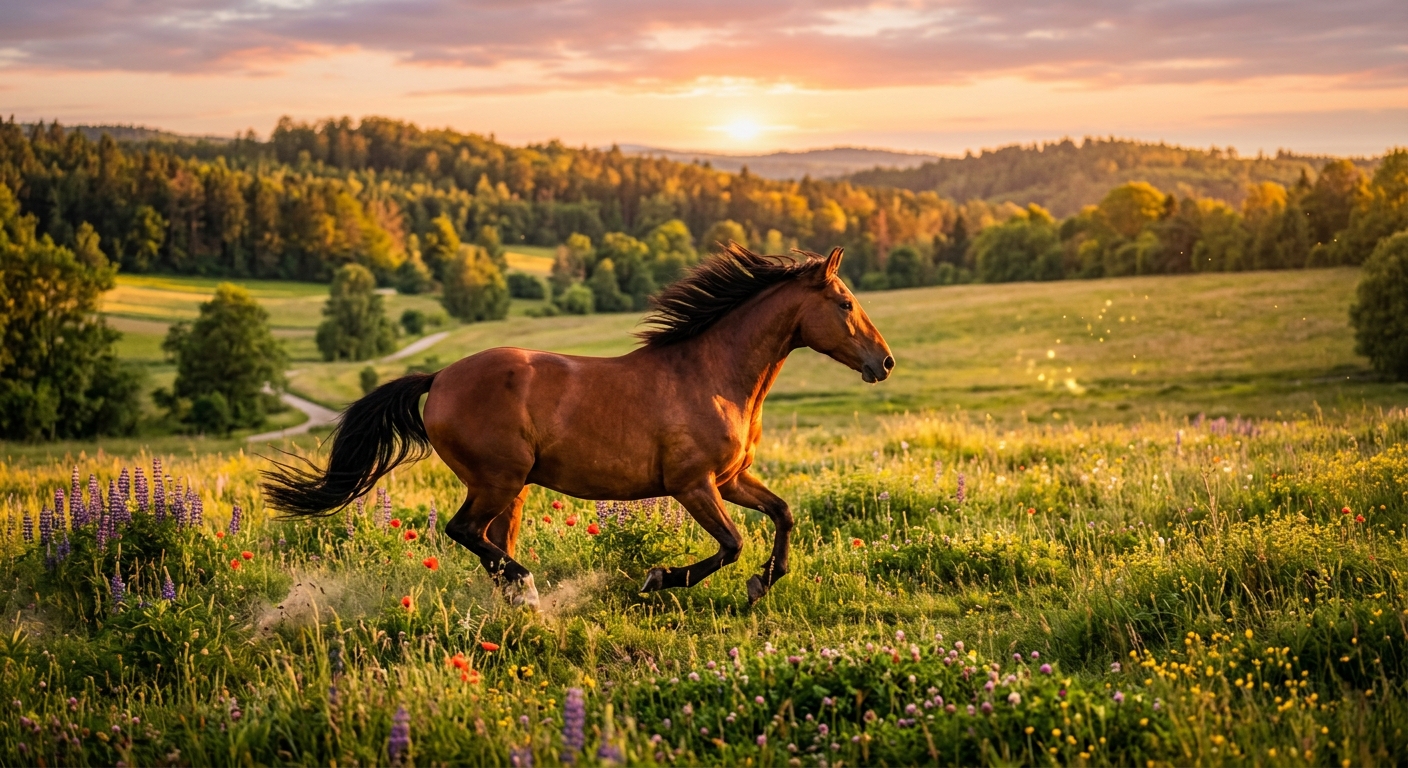
Horses are among the most beautiful, intelligent, and fascinating animals in the world. Known for their strength, speed, loyalty, and graceful movements, horses have played an important role in human history for thousands of years. From helping people travel and work on farms to competing in exciting equestrian sports, these remarkable animals have earned a special place in human society.
Today, horses are admired not only for their physical abilities but also for their gentle personalities and strong bonds with humans. Whether living on a farm, grazing in open fields, or participating in competitions, horses continue to inspire people of all ages.
In this article, we will explore horse breeds, behavior, diet, care, history, and interesting facts about these magnificent animals.
1. The History of Horses
Horses have a long and fascinating history that stretches back millions of years. Their earliest ancestors were much smaller than modern horses and gradually evolved over time. Through natural selection, horses developed longer legs, stronger bodies, and teeth better suited to grazing.
Humans began domesticating horses thousands of years ago. Once domesticated, horses transformed transportation, agriculture, communication, and warfare. People used them to pull carts, carry supplies, plow fields, and travel across long distances.
Before modern vehicles existed, horses were essential to everyday life in many parts of the world. They helped communities transport goods and connect distant settlements.
Although cars, tractors, and other machines have replaced horses in many traditional roles, horses remain important in farming, recreation, tourism, therapy, and sporting events.
2. Different Types of Horse Breeds
There are hundreds of horse breeds worldwide, each with unique characteristics, appearances, and abilities. Some horses are bred for speed, while others are known for their strength, endurance, or calm temperament.
Arabian Horses
Arabian horses are famous for their elegant appearance, distinctive head shape, and endurance. They originated in the Arabian Peninsula and have influenced the development of many other breeds. Their stamina makes them particularly suitable for long-distance riding competitions.
Thoroughbred Horses
Thoroughbreds are best known for horse racing. They are athletic, energetic, and capable of reaching impressive speeds. Their long legs and lean bodies help them perform well in competitive racing and other athletic activities.
American Quarter Horses
American Quarter Horses are popular for their versatility, muscular build, and quick acceleration over short distances. They are frequently used in western riding, ranch work, and rodeo events. Many are also appreciated for their trainability.
Clydesdale Horses
Clydesdales are large draft horses recognized by their powerful bodies, feathered lower legs, and impressive presence. Historically, they were used for pulling heavy loads and working on farms. Today, they are also popular in exhibitions and parades.
Shetland Ponies
Shetland ponies are small, sturdy equines originally from Scotland’s Shetland Islands. Despite their small size, they are strong and resilient. They are often kept as companion animals and may be used for children’s riding under appropriate supervision.
Every breed has different needs and strengths, making it important to choose a horse that suits its intended activities and the owner’s experience.
3. What Do Horses Eat?
Horses are herbivores, meaning their natural diet consists primarily of plant material. Their digestive systems are adapted to eating small amounts of forage throughout much of the day.
Grass and hay are the foundation of most domestic horses’ diets. Depending on their workload, age, body condition, and health, some horses may also require additional feed.
Common foods for horses include:
- Fresh grass: Provides forage when pasture is available and suitable.
- Hay: Offers essential fiber when grazing is limited.
- Oats and other grains: May provide additional energy when needed.
- Commercial horse feed: Can supply nutrients for horses with specific dietary requirements.
- Carrots and apples: May be offered occasionally as treats in small, appropriately prepared pieces.
Fresh, clean water must always be available. Horses also need suitable sources of essential minerals and salt.
Not every food that humans enjoy is safe for horses. Certain plants and foods can be toxic, and sudden dietary changes may cause digestive problems. Owners should consult an equine veterinarian or qualified equine nutritionist when planning a horse’s diet.
4. Understanding Horse Behavior
Horses are social animals that naturally live in groups. In the wild, living in a herd provides protection and opportunities for companionship. Domestic horses also benefit from appropriate social contact with other horses.
Horses communicate through body language, facial expressions, sounds, and movement. Learning to recognize these signals can help people understand what a horse is feeling.
For example, ears pointed forward may indicate attention or interest, while ears held tightly backward can signal irritation or discomfort. A relaxed posture may suggest calmness, whereas a tense body can indicate fear, stress, or alertness.
Horses may neigh to communicate, whinny when seeking contact, or snort when reacting to something around them. Their individual personalities vary, and their behavior depends on their experiences, environment, training, and health.
Building trust with a horse takes patience, consistency, and gentle handling. Punishment and frightening training methods can damage trust and create dangerous situations. Positive reinforcement and appropriate professional guidance can help encourage safe, cooperative behavior.
5. How to Care for a Horse
Owning a horse requires time, commitment, knowledge, and financial resources. Horses need much more than food and shelter to remain healthy and comfortable.
Provide Proper Shelter
Horses need protection from extreme weather, adequate ventilation, and a safe place to rest. Depending on the climate and management system, suitable shelter may include a stable, run-in shed, or natural protection combined with appropriate fencing.
Their living areas should be kept clean and free from hazards. Pastures and enclosures must provide enough space for movement and safe grazing.
Maintain a Healthy Diet
A balanced diet should be based on good-quality forage, clean water, and the horse’s individual nutritional requirements. Overfeeding can contribute to obesity and other health problems, while inadequate nutrition may lead to poor condition and weakness.
Schedule Veterinary Checkups
Regular veterinary care is essential. Horses need appropriate vaccinations, parasite-control plans, dental examinations, and prompt attention when they become ill or injured.
Owners should contact a veterinarian if a horse shows signs of serious discomfort, unusual behavior, loss of appetite, or possible colic.
Care for Hooves
Healthy hooves are vital for movement and overall well-being. Hooves should be picked out and checked regularly for stones, injuries, or signs of infection. Farriers can trim hooves and fit horseshoes when necessary.
Groom Regularly
Grooming helps remove dirt, loose hair, and debris while giving owners an opportunity to inspect the horse’s skin and body. It also provides an opportunity to develop trust through calm, consistent interaction.
6. The Importance of Exercise
Horses are naturally active animals that benefit from regular movement. Exercise supports muscle strength, cardiovascular fitness, joint function, and mental well-being.
Depending on their age, health, and training, horses may exercise through pasture turnout, walking, riding, groundwork, or structured training sessions.
Exercise should be introduced gradually and adjusted to the individual horse. Overworking an unfit horse can cause injuries, exhaustion, or other health problems.
Rest and recovery are just as important as activity. Owners should watch for lameness, unusual fatigue, breathing difficulties, or changes in performance and seek veterinary advice when necessary.
Providing opportunities to move, graze, socialize, and explore helps support a horse’s overall quality of life.
7. The Special Bond Between Horses and Humans
One of the most remarkable aspects of horses is their ability to develop familiar, trusting relationships with people. Through regular, respectful handling, many horses learn to recognize caregivers and respond to familiar routines and cues.
Horses have supported humans in many different ways, including transportation, agriculture, sport, recreation, and therapeutic activities.
Equine-assisted programs may help some people work toward physical, emotional, or social goals under the guidance of trained professionals. These programs differ in purpose, and outcomes depend on the individual and the services provided.
The relationship must always be based on respect for the horse’s needs. Horses are living animals, not machines, and they require rest, appropriate handling, and protection from unnecessary stress.
A strong human-horse relationship develops through patience, clear communication, and consistent care.
8. Interesting Facts About Horses
Horses have many unusual characteristics that make them fascinating animals. Here are some interesting facts:
- Horses can sleep standing up. Their specialized leg mechanism helps them rest while remaining upright, although they also need to lie down for sufficient REM sleep.
- Horses have wide fields of vision. The placement of their eyes allows them to see much of their surroundings, helping them notice potential danger.
- They are social animals. Many horses form strong associations with familiar companions and may become stressed when separated from them.
- Horses have excellent hearing. Their movable ears help them locate sounds and pay attention to their environment.
- They can communicate through body language. Ear position, posture, facial expressions, and tail movements can offer clues about their emotional state.
- A horse’s teeth change throughout its life. Regular dental examinations help identify problems that could affect eating and comfort.
- Horses come in many colors. Common coat colors include bay, chestnut, black, gray, and various patterns such as pinto.
- Foals can stand soon after birth. Healthy newborn foals generally attempt to stand and nurse within the first few hours of life.
- Horses have a strong flight response. As prey animals, they may react quickly to unfamiliar sights or sounds, which makes calm handling important.
- Ponies are not simply baby horses. Ponies are generally smaller equines with characteristic proportions, although definitions vary by breed and registry.
These characteristics demonstrate how horses have adapted to survive, socialize, and interact with their environment.
9. Horses in Sports and Recreation
Horses participate in many sports and recreational activities around the world. Horse racing is among the most widely recognized, attracting spectators who admire the animals’ speed and athleticism.
Show jumping challenges horse-and-rider partnerships to navigate obstacles, while dressage emphasizes balance, precision, and communication. Eventing combines dressage, cross-country riding, and show jumping.
Other activities include endurance riding, trail riding, driving competitions, and western riding events. Each requires appropriate training, equipment, conditioning, and attention to animal welfare.
Responsible equestrian sports prioritize the horse’s health and safety. Riders should use suitable equipment, receive proper instruction, and ensure their horses are fit for the demands of an activity.
Recreational riding can also provide an opportunity to enjoy nature and develop riding skills, provided that both horse and rider are prepared for the experience.
10. Protecting Horses and Supporting Their Welfare
Horse welfare is an important responsibility for owners, breeders, riders, and communities. Horses depend on people to provide safe living conditions, proper nutrition, medical care, and opportunities for natural behavior.
Neglect can result from inadequate food, poor shelter, untreated injuries, unsuitable equipment, or excessive workloads. Recognizing these problems and responding quickly can prevent unnecessary suffering.
Responsible ownership includes planning for long-term expenses, arranging reliable veterinary and farrier care, and ensuring that someone can care for the horse during emergencies or the owner’s absence.
Adoption and rescue organizations may offer opportunities to provide homes for horses in need. Potential adopters should carefully consider a horse’s temperament, training, medical history, and ongoing care requirements.
Education about humane handling and responsible breeding can also help improve the lives of horses around the world.
Conclusion
Horses are extraordinary animals whose beauty, strength, intelligence, and social nature have fascinated humans for generations. From their remarkable history and diverse breeds to their unique behavior and athletic abilities, horses offer countless reasons to appreciate the animal kingdom.
However, caring for a horse requires more than admiration. Proper nutrition, regular exercise, veterinary attention, hoof care, suitable shelter, and positive human interaction are essential to its well-being.
Whether you enjoy watching horse competitions, learning about different breeds, riding on scenic trails, or simply observing horses in a pasture, these magnificent animals have much to teach us about patience, trust, and respect for nature.
By understanding their needs and treating them with kindness, we can help ensure that horses continue to thrive and maintain their special place in our world.